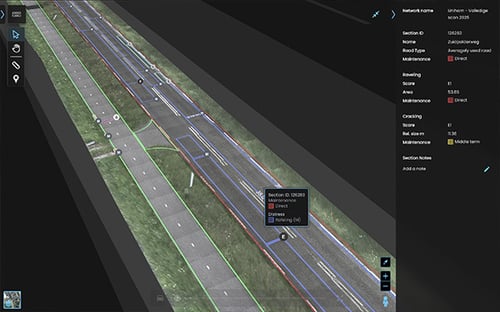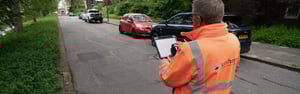
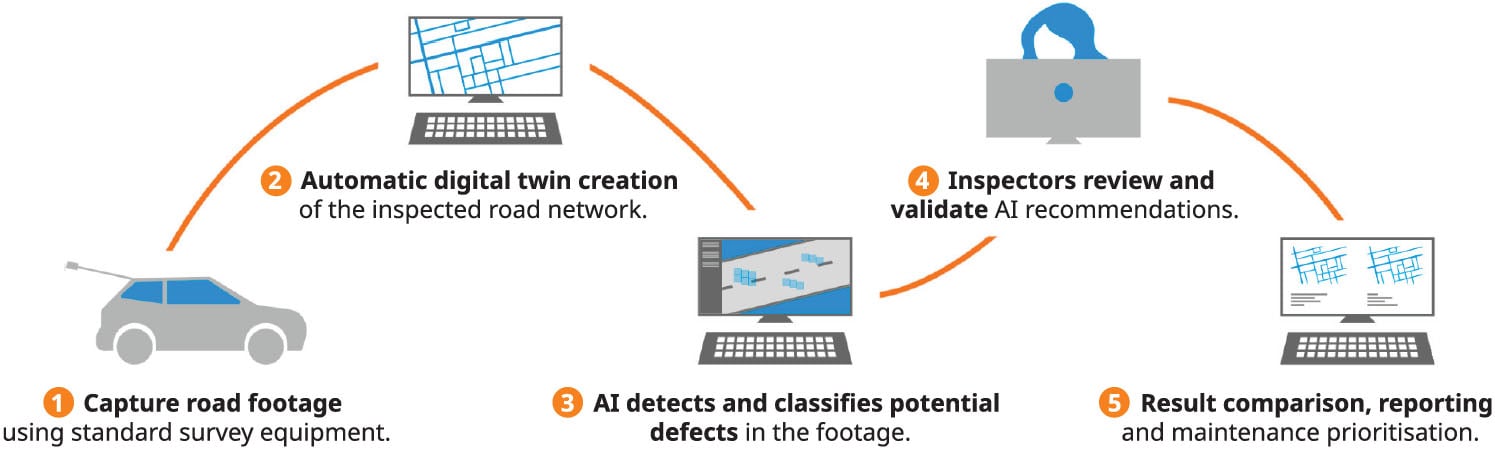
How Inspech Works
Designed to fit professional inspection practices, not replace them.

SERVICE VIDEO
Showcase your awesome service with quality video content.
Lorem ipsum dolor sit amet, consetetur sadipscing elitr, sed diam nonumy
27K | 1.2MIO |
| Lorem ipsum dolor sit amet, consetetur sadipscing elitr, sed diam sit amet, consetetur elitr. | Lorem ipsum dolor sit amet, consetetur sadipscing elitr, sed diam sit amet, consetetur elitr. |

Gene CernanAstronaut, Apollo 17
“When you head on out to the Moon, in very short order, and you get a chance to look back at the Earth, that horizon slowly curves around in upon himself, and all of sudden you're looking at something that is very strange, but yet is very, very familiar, because you're beginning to see the Earth evolve.”

Gene CernanAstronaut, Apollo 17
“When you head on out to the Moon, in very short order, and you get a chance to look back at the Earth, that horizon slowly curves around in upon himself, and all of sudden you're looking at something that is very strange, but yet is very, very familiar, because you're beginning to see the Earth evolve.”

Gene CernanAstronaut, Apollo 17
“When you head on out to the Moon, in very short order, and you get a chance to look back at the Earth, that horizon slowly curves around in upon himself, and all of sudden you're looking at something that is very strange, but yet is very, very familiar, because you're beginning to see the Earth evolve.”

Gene CernanAstronaut, Apollo 17
“When you head on out to the Moon, in very short order, and you get a chance to look back at the Earth, that horizon slowly curves around in upon himself, and all of sudden you're looking at something that is very strange, but yet is very, very familiar, because you're beginning to see the Earth evolve.”
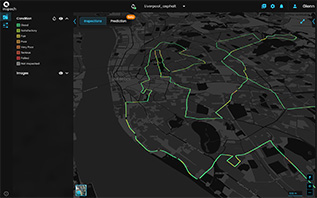
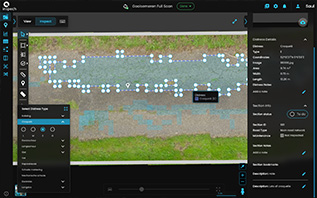
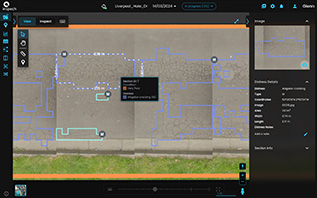
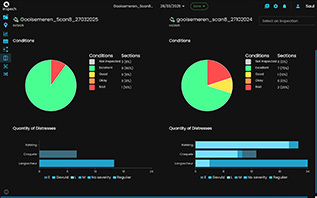
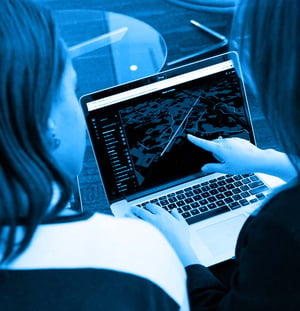
What this workflow enables
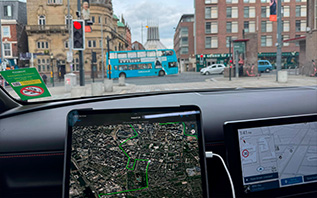
By supporting inspectors where the work becomes repetitive or difficult to oversee, Inspech helps teams to:
> Review large volumes of road data more efficiently
> Maintain consistency across inspections
> Reduce re-inspections and site revisits
> Keep clear oversight of inspection progress and results
The workflow is not designed to disrupt inspection practice, but to make it more manageable.