

The Ultimate Guide to Digitally Assisted Road Inspection, Blog 1/5
For decades, road inspections have relied on the expertise of trained professionals. Experienced inspectors assess pavement condition, identify damage, and provide the information needed to maintain safe and reliable road networks.
That expertise remains essential.
But the context in which inspections take place is changing rapidly. Road networks are aging, inspection demands are increasing, and available resources are under pressure.
Across many countries, road authorities and contractors face the same question:
How can we inspect more infrastructure with the same — or fewer — people?
| An ever growing backlog
Across the world, road networks are struggling with maintenance backlogs.
In the United States, an estimated 83% of roads require some form of repair or maintenance. In the United Kingdom, the Asphalt Industry Alliance’s ALARM survey reported a £14 billion road repair backlog, which would take more than a decade to resolve without additional support.
Similar challenges exist in many other countries.
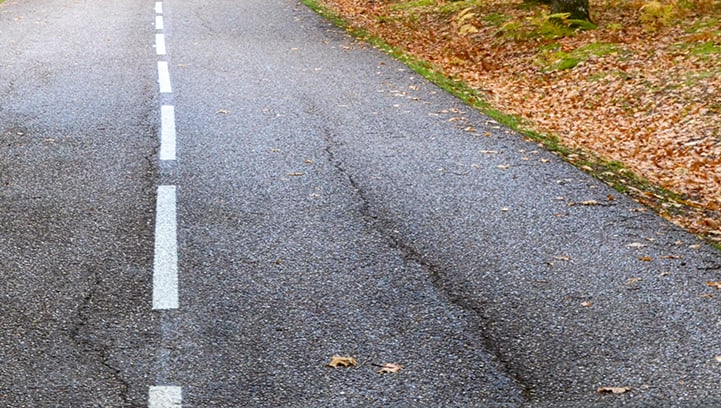
Road damage ranges from early-stage cracking to severe deterioration that makes roads unsafe or unusable. Without timely intervention, small defects develop into major repairs.
However, inspection capacity often does not keep pace with the size of the network. Limited budgets, limited personnel, and increasing inspection volumes make it difficult to maintain a complete and up-to-date understanding of network condition.
| Outdated tools and limited data visibility
Many inspection teams still rely on fragmented or outdated tools. As a result, inspectors often work with incomplete or outdated pavement condition data.
This creates a problem for asset management.
Without reliable inspection data, it becomes difficult to:
- understand the true condition of the network
- prioritize maintenance effectively
- plan rehabilitation at the right moment
When small defects are missed or identified too late, maintenance becomes more expensive and disruptive.
Improving the quality and availability of inspection data is therefore a key step toward managing road networks more sustainably.
| The growing skills gap
Road inspection is a specialised discipline built on experience.
Inspectors learn to recognise patterns in pavement deterioration, understand local conditions, and apply judgement when evaluating damage. This expertise is developed over many years.
At the same time, many experienced inspectors are approaching retirement. Across multiple regions, the industry is experiencing a shortage of trained professionals.
This creates a widening skills gap.
With fewer inspectors available to assess larger networks, inspection teams must find ways to increase productivity without compromising quality.
| A changing inspection landscape
These challenges — growing backlogs, limited data visibility, and a shrinking workforce — are reshaping how road inspections are performed.
The solution is not to replace inspectors.
The solution is to support them with better tools, clearer data, and more efficient workflows.
Digitally assisted road inspection helps inspection teams:
- process inspection data more efficiently
- maintain consistency across large networks
- reduce repetitive manual work
- preserve the expertise of experienced inspectors
In the following blogs, we explore how data, digital tools, and AI-assisted inspection can help address these challenges.

Follow us on LinkedIn to stay up to date with our latest contributions.
Next Blog (2/5): Sharing is caring, but own your data.