
The Ultimate Guide to Digitally Assisted Road Inspection, Blog 3/5
Digital tools have the potential to significantly improve road inspection workflows.
However, not every software system delivers that promise.
A digital inspection platform should simplify the work of inspectors, not introduce additional complexity. If a system adds extra steps, unnecessary processes, or difficult interfaces, it can slow teams down rather than support them.
The goal of inspection software should be straightforward:
help inspectors work faster, more consistently, and with better insight.
| Improving the inspection workflow
A well-designed inspection platform supports the entire inspection process:
2. Data organisation
3. Inspection and validation
4. Reporting and analysis
5. Maintenance planning
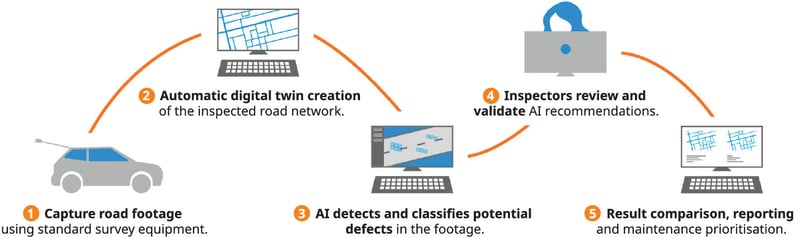
Traditionally, many of these steps involve manual work. Inspectors must organise video files, map road segments, classify defects, and prepare reports.
Digital inspection software can automate many of these repetitive steps, allowing inspectors to focus on the tasks that require expertise and judgement.
| Turning raw data into usable insight
Once inspection data is uploaded, a modern digital platform can automatically organise and structure the information.
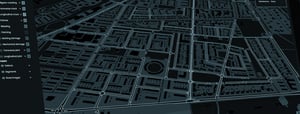
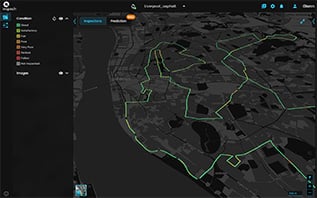
Road footage can be linked to geographic locations and visualised on an interactive map. This creates a digital representation of the road network that inspectors can navigate efficiently.
Instead of manually reviewing and organising files, inspectors can move directly to analysing the condition of the pavement.
Structured data also makes it easier to:
- review inspection results
- compare segments across the network
- identify patterns of deterioration
- support long-term maintenance planning
| Preserving the role of expertise
Digitisation does not replace the inspector.
Instead, it allows inspectors to spend less time on repetitive tasks and more time applying their expertise.
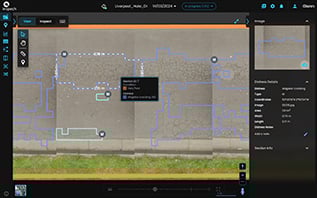
Manual review of large volumes of visual data can be time-consuming and mentally demanding. Digital tools can assist by organising the information and highlighting relevant sections for review.
This balance between automation and expertise creates a more efficient inspection process while maintaining professional oversight.
| Technology should adapt to the inspector
Road inspection processes vary between organisations and regions. Standards, reporting methods, and workflows differ depending on local regulations and operational practices.
For this reason, inspection software should be flexible.
The system should adapt to the inspector’s workflow — not force inspectors to adapt to the software.
When technology fits naturally into the inspection process, adoption becomes easier and teams can realise the benefits of digital inspection more quickly.

Follow us on LinkedIn to stay up to date with our latest contributions. Next Blog (4/5):
Throwing money at the problem is not always the right solution.