

Malaysian Public Works Departments and municipalities can receive structured, inspector-validated visual road condition evidence through DTAP's local pavement-engineering workflow, supported by Inspech. The provider manages operational delivery; the public authority retains responsibility for standards, priorities and network decisions.
Background
Public Works Departments and municipalities manage roads with different network scopes, service responsibilities and decision processes. What they share is a need for current, consistent and reviewable condition evidence to support maintenance planning, investigation and public accountability.
DTAP provides Malaysian public-road clients with local pavement-engineering and inspection expertise. By incorporating Inspech into its visual-assessment workflow, DTAP can organise road imagery, support inspector review and deliver validated findings within the broader professional service required by each authority.
The Challenge
Maintaining a usable condition overview across a large or geographically distributed public-road network requires inspection capacity. Traditional manual review can become a bottleneck when imagery volumes grow, while public organisations still need results that can be reviewed, explained and connected to the underlying road location.
The challenge is not simply to process more imagery. Public-road evidence must remain aligned with the applicable method, validated by professionals and suitable for the authority's own planning, engineering and governance processes.
The Solution
The authority defines the network question, route scope, applicable method and intended use. DTAP coordinates imagery, manages the assessment and integrates the result with the wider pavement-engineering service. Inspech organises georeferenced road imagery and provides AI-assisted recommendations for visible pavement distress.
DTAP inspectors review, adjust or reject the recommendations before results are delivered. The authority can then use the validated evidence in its own review, investigation, prioritisation and maintenance processes, while retaining ownership of the final decisions.
The Public-Road Delivery Model
- Authority defines the question: Set the network scope, applicable method, priorities and decision the inspection needs to support.
- DTAP manages operational delivery: Coordinate imagery, project setup, assessment, validation and client communication.
- Inspech supports structured review: Organise georeferenced imagery and provide recommendations for professional validation.
- Inspectors validate the evidence: Confirm, adjust or reject visible findings using expertise and the agreed method.
- Authority uses the result: Apply the validated evidence within planning, investigation, prioritisation and maintenance decisions.
The Result
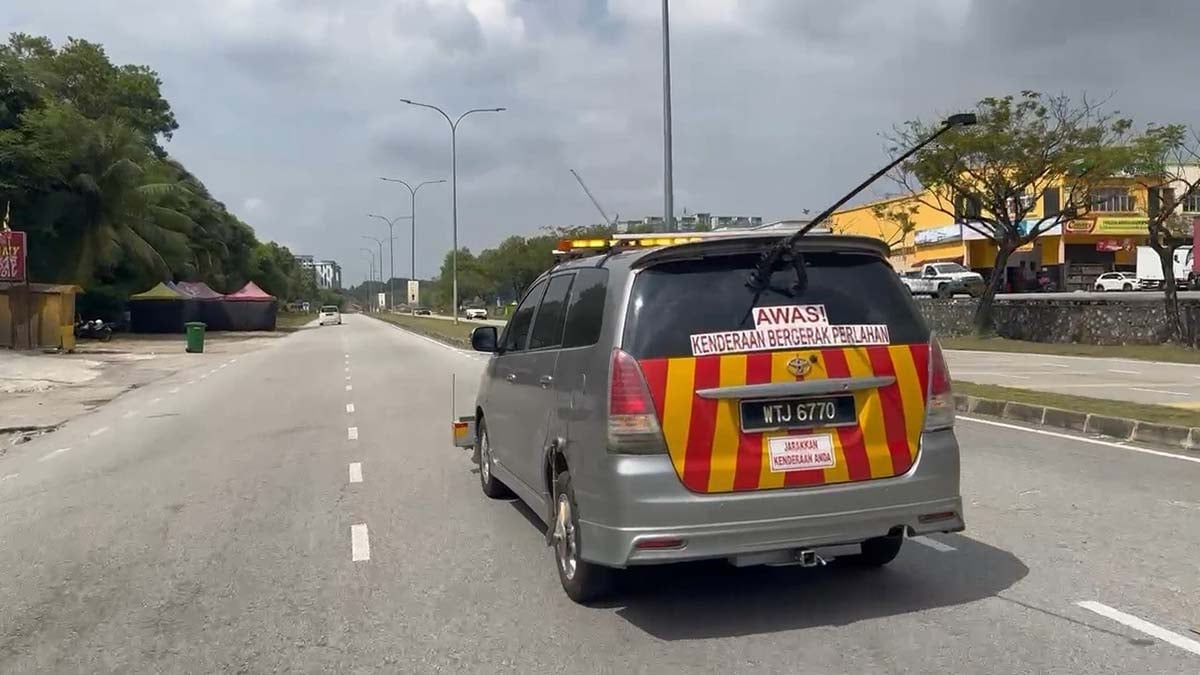
DTAP's end-client context includes Malaysian Public Works Departments and municipalities. During the first year after adopting Inspech operationally, DTAP delivered more than 10,000 lane-km across its client assignments through the Inspech-enabled workflow.
This aggregate provider result demonstrates that the delivery model can operate at public-network scale. It should not be interpreted as a result belonging to one department, municipality or contract. Each public authority retains its own responsibilities, methods and decision ownership.
Main Advantages
- Scalable local delivery: Public authorities can access additional visual-inspection capacity through a Malaysian pavement specialist.
- Inspector-validated findings: AI recommendations remain subject to professional review before entering the client record.
- Traceable road evidence: Findings stay connected to georeferenced imagery and location context.
- Fit with engineering practice: Visual condition evidence can be considered alongside the wider measurements and investigations managed by DTAP.
- Clear decision ownership: The authority retains responsibility for standards, priorities, engineering decisions and public accountability.
Lessons Learned
- The authority, provider and technology roles should be agreed before inspection begins: the authority owns the network decision, DTAP owns professional delivery and Inspech supports structured visual review.
- A representative route and agreed capture configuration help validate imagery quality, inspector effort and output fit before wider deployment.
- Applicable standards, validation ownership and downstream output requirements should be defined at project setup.
- A provider-scale result can demonstrate operational repeatability, but it must not be attributed to an unnamed authority without explicit customer approval.
Get your inspection process flowing
Use a representative route, compatible imagery, the applicable inspection method and your own professionals to validate how Inspech fits your public-road authority workflow before scaling