
| Why Better Data Matters
According to the 2025 ALARM survey from the Asphalt Industry Alliance, local authorities in England and Wales face a road repair backlog approaching £17 billion. Crews are filling potholes at a rapid pace—roughly one every 18 seconds—yet the overall condition of the network continues to decline.
This situation is not simply a question of funding. It is also a question of visibility.
Many road authorities lack a consistent, up-to-date understanding of the condition of their networks. Recent AI-supported analyses of road imagery suggest that deterioration may be more widespread than traditional reporting methods indicate.
For councils responsible for thousands of kilometres of road, this creates a difficult challenge:
How do you prioritise maintenance when the full picture is unclear?
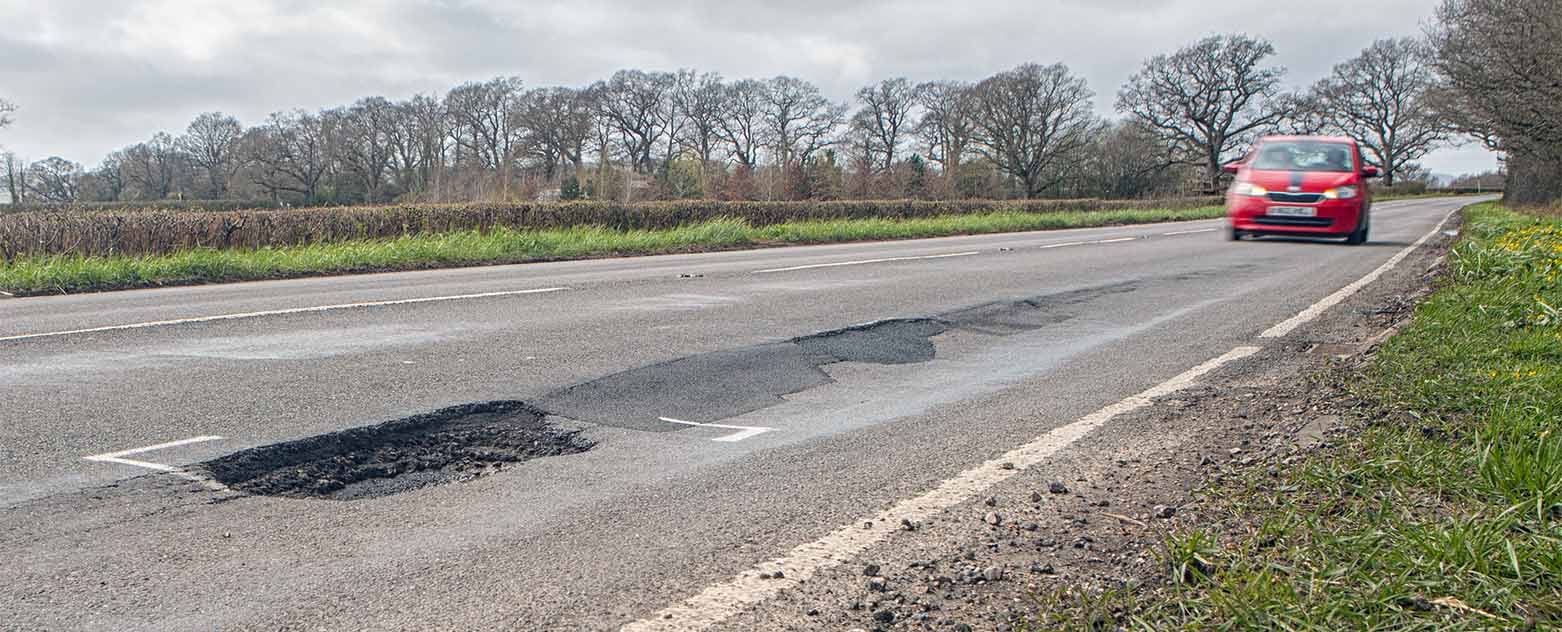
| Why traditional road assessments struggle to keep up
Many inspection programs still rely on methods developed decades ago.
While these approaches have served the industry well, they can struggle to keep pace with the scale and complexity of modern road networks. Manual inspections and infrequent survey campaigns make it difficult to maintain a current overview of road condition.
As a result, several issues can arise:
- Early deterioration is often missed until it becomes more severe.
- Mid-life pavements—roads that are beginning to deteriorate but are not yet failing—may receive little attention.
- Data gaps make it harder for asset managers to prioritise maintenance effectively.
Without reliable and timely data, many authorities are forced into a reactive approach: repairing visible damage rather than preventing deterioration.
Over time, this reactive cycle becomes more expensive and harder to manage.
Preventative maintenance, by contrast, depends on having accurate, recent insight into the condition of the network.
| A smarter way to understand road condition
New digital inspection technologies are helping road authorities collect and analyse road condition data more efficiently.
Video-based inspections combined with AI-assisted analysis can process large volumes of road imagery and highlight potential defects across the network.
This approach supports inspection teams by helping them:
- identify segments where deterioration is beginning
- prioritise preventative maintenance interventions
- review large road networks more consistently
- support funding discussions with clearer data
Importantly, these tools do not replace inspectors. Instead, they help inspection teams process inspection data more efficiently and maintain a clearer overview of network condition.
By combining digital inspection data with human expertise, road authorities can make more informed maintenance decisions and better allocate limited budgets.

| The role of new standards in improving data quality
The UK government and industry organisations are increasingly recognising the importance of improving road condition data.
One example is the development of PAS 2161:2024, which aims to modernise how road condition information is collected and used.
The standard encourages more flexible and scalable data collection methods, enabling road authorities to:
- increase the frequency of inspections
- incorporate newer data collection technologies
- improve the accuracy and transparency of condition reporting
More frequent and reliable data allows authorities to identify deterioration earlier and intervene before defects become costly repairs.
Over time, this shift toward better data collection supports a more proactive approach to maintaining road networks.
| Smarter investment, not simply more spending
Repairing roads will always require investment. But spending more money alone will not solve the current maintenance backlog.
The greater opportunity lies in using available resources more effectively.
When road authorities have access to clearer inspection data, they can:
- prioritise the roads that need attention most
- apply preventative treatments at the right moment
- reduce the long-term cost of maintenance
- justify funding decisions with stronger evidence
Digital inspection platforms such as Inspech help make this possible by turning road imagery into structured inspection data that inspection teams can review, validate, and analyse.
The result is a clearer understanding of road condition and a stronger foundation for maintenance planning.

| Moving toward a more sustainable approach to road maintenance
The UK’s road network is a critical part of national infrastructure. Maintaining it requires both investment and better insight.
By combining modern data collection methods, AI-assisted analysis, and the expertise of road inspectors, authorities can build a more complete picture of network condition.
This shift allows maintenance teams to move away from reactive repairs and toward more planned, preventative maintenance strategies.
For councils facing tight budgets and growing maintenance demands, better information may be one of the most valuable tools available.
Curious how digitally assisted inspection can support your road maintenance strategy?
Explore how Inspech helps inspection teams process road inspection data faster and gain clearer insight into network condition.