Skip to content
hero_municipalities

Road Inspection Software for Road Authorities.


Make better-informed maintenance decisions and help your road maintenance budget go further. Inspech gives you a more current view of road conditions, helping you identify where timely intervention could prevent more extensive repairs and extend pavement life. Whether you inspect roads in-house or work with an inspection provider, detailed findings and road imagery help you prioritise maintenance and explain how public funds are being used.

Keep your network
view up to date

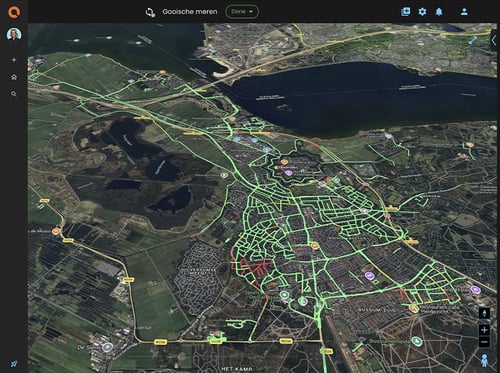
Give your team a more current basis for reviewing road conditions across the network. More efficient inspection workflows make regular assessments practical, whether your own inspectors carry them out or an inspection partner delivers the results.

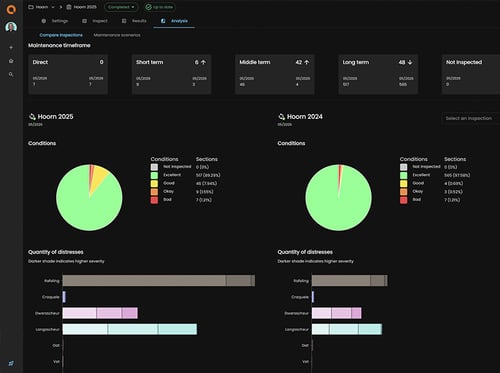
Compare recent findings with previous inspections to see where visible conditions are changing. This helps your team focus follow-up assessments and planning discussions on developments that need attention, with access to the imagery behind the results.

road network

Act earlier to make maintenance budgets go further

Timely maintenance can preserve pavement that would otherwise require more extensive rehabilitation. Identifying defects while targeted repairs are still appropriate helps road authorities extend pavement life and limit future repair costs, getting more value from the available maintenance budget.

Inspech’s validated findings help your engineers assess where earlier intervention could be worthwhile. They also provide evidence for explaining budget choices: why certain sections receive attention now, what deterioration the work aims to address and how those priorities support responsible use of public funds.

maintenance results

Work more effectively with inspection partners

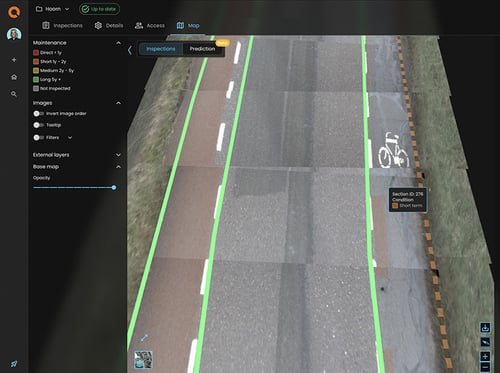
Get a clearer understanding of the findings behind your inspection provider’s advice. With read-only access to completed inspections in Inspech, your team can explore the digital twin, examine defects and view the corresponding road imagery alongside the delivered report.

This helps you ask more focused questions, discuss which locations need further investigation and assess how recommendations fit your maintenance priorities. Both teams work from the same evidence, making it easier to clarify findings and agree on next steps.

collaboration-1

Bring inspection evidence
into your planning


Use detailed inspection results to strengthen maintenance proposals and budget discussions. Findings per road section, supported by imagery, help your team explain where work is needed and give colleagues a clearer basis for reviewing priorities and allocating resources.

Export geographical data as Shapefile or GeoPackage for use in GIS, or use inspection data in spreadsheets for further analysis and reporting. This brings current visual condition information into your existing planning processes, alongside engineering measurements, costs and other asset-management information.

inspection evidence

See how road authorities benefit from Inspech

Dutch national highways: Insight across inspection cycles


See how recurring inspections by Unihorn help build a clearer view of changing conditions on Rijkswaterstaat-managed roads, supporting maintenance prioritisation and targeted investigation.

Read the client success story →

Malaysian public roads: Working with a local inspection partner


See how DTAP uses Inspech to provide public works departments and municipalities with inspector-validated findings for maintenance planning and prioritisation.

Read the client success story →

Make better-informed decisions about your road network

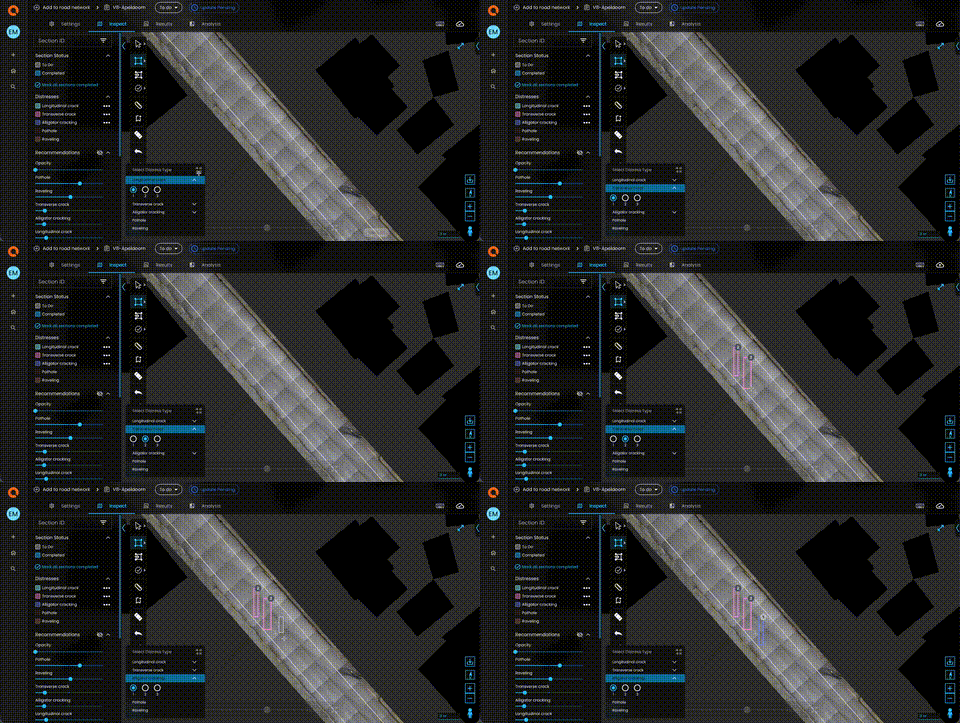
See how Inspech can help you keep road-condition information current, prioritise timely maintenance and make your budget go further. In a live demo, we’ll explore how the platform fits your inspection approach and supports your team’s planning decisions.
new-behaviour

Frequently asked questions

Can road authorities use Inspech without carrying out inspections themselves?

Yes. Road authorities can benefit from Inspech when inspections are performed by an external inspection or engineering provider. The provider conducts and validates the assessment, while authorised road authority staff can receive complimentary read-only access to completed results. This allows them to explore the road network, examine individual findings and review the visual evidence behind the delivered reports.

How can recurring inspections help identify deteriorating road sections?

By comparing validated findings from successive inspections, road authorities can examine how visible pavement conditions have developed over time. This can help identify sections where defects are becoming more extensive or where additional investigation may be needed. Meaningful comparisons depend on consistent inspection methods, suitable imagery and comparable road-section definitions.

Can Inspech help us decide when maintenance should be carried out?

Inspech provides current visual condition information that can support decisions about maintenance timing. Engineers can examine developing defects, review historical findings and identify sections where earlier intervention may be worth considering. The final decision requires additional factors, including pavement structure, traffic, maintenance options, costs and available budgets.

Can we use Inspech data in our existing GIS or asset management workflows?

Yes. Inspech supports exports of inspection information and geographical data, including Shapefile and GeoPackage formats, for use in GIS and related analysis workflows. Spreadsheet exports are also available for relevant inspection data. These outputs help authorities combine visual findings with other asset information, although compatibility with individual management systems depends on their data requirements.

How can Inspech support accountability for public maintenance spending?

Inspech provides traceable inspection findings, associated road imagery and historical information that can help substantiate maintenance priorities. Road authorities can use this evidence to explain why particular sections require attention and how their condition has developed. Combined with engineering assessments and financial considerations, it provides a clearer basis for discussing maintenance budgets and investment decisions.