
From AI potential to decisions people can rely on
By Glenn Brouwer, CEO of Inspech
During my recent trip to Kuala Lumpur, I was honoured to contribute to the Malaysian Road Conference and the IRF Global Asia-Pacific Regional Congress as a member of the IRF Asset Management Committee. The conference was opened by Malaysia's Minister of Works, Alexander Nanta Linggi. I delivered my keynote immediately after the Secretary-General of the Ministry of Works.
The conference presentations linked the 13th Malaysia Plan for 2026–2030 to an ambition for resilient, intelligent and sustainable roads. Wider adoption of digital technology sat alongside stronger governance and skilled, ethical professionals.
For me, that combination gives substance to the idea I explored in my keynote: a road organisation that learns. It requires people who can connect an AI finding to a specific decision, judge whether the evidence is sufficient and learn from what happens next.
One question brings this into focus: What does this AI finding justify us doing next?
A finding can give us good reason to investigate a road section while leaving the choice of treatment open. Understanding that distinction helps us put AI to work with a clear purpose and realistic expectations.
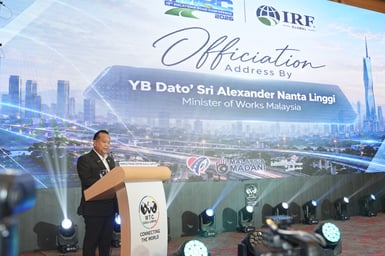
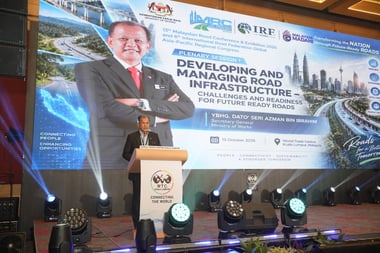
YB DATO' Sri Alexander Nanta Linggi - Minister of Works Malaysia and YBHG, DATO'S Seri Azman Bin Ibrahim - Secretary General.
Start with a decision
I would begin with a recurring decision that matters to the people using the technology. In road management, that might be deciding which sections need closer engineering attention before the next maintenance review.
Then examine how that decision is made today. Where do the road images and inspection records come from? How long does review take? What information does the engineer need, and where does the process leave uncertainty unresolved?
These questions give an AI application a useful place in the workflow. They also help a team agree what better would mean: evidence available in time for the review, manageable inspection effort and a sound basis for deciding where to investigate.
This is a leadership responsibility. People need clear expectations, access to the underlying evidence and enough time to examine it. The inspector must have the authority to disagree with a recommendation. The engineer needs to know which conclusions have been validated and which questions remain open.
What the evidence allows us to do
Imagine a road manager preparing the next maintenance review. Recent road images suggest that a section already on the inspection schedule deserves attention sooner. The task is to decide whether to bring the engineering inspection forward.
This is the kind of workflow inspech, a product our team develops, is designed to support. It connects road images with location and provides AI recommendations for professional review. An inspector can examine the images, confirm, adjust or reject the suggested findings, and return to the assessment in context.
In this example, the inspector checks the location and image quality, then validates the visible surface deterioration. Earlier inspection records help provide context. If the team wants to establish change over time, it also needs to check that the section, coverage and capture conditions support that comparison.
The engineer considers the validated observations alongside maintenance history and other available information. The organisation records the action, the responsible engineer and the reason in its existing planning process.
The evidence is sufficient to bring the inspection forward. Choosing a repair still requires the appropriate engineering investigation. The road images alone do not establish everything about the cause of the deterioration or the condition of the pavement beneath the surface.
AI has contributed to a specific next step. The inspection evidence remains available for scrutiny, and responsibility for acting on it is clear. The planning decision and the findings from the subsequent visit can remain in the organisation's existing management systems.
When evaluating this approach, I would compare it with the current process on a representative scope. I would count the time spent reviewing, correcting and handing over findings, and ask an independent professional to examine a sample that includes sections the AI did not flag. Checking accepted findings helps establish whether they are supported; checking unflagged sections helps reveal what the workflow may have missed.
The test is whether the combined process gives the responsible person useful evidence at the required quality and within a workable amount of time.
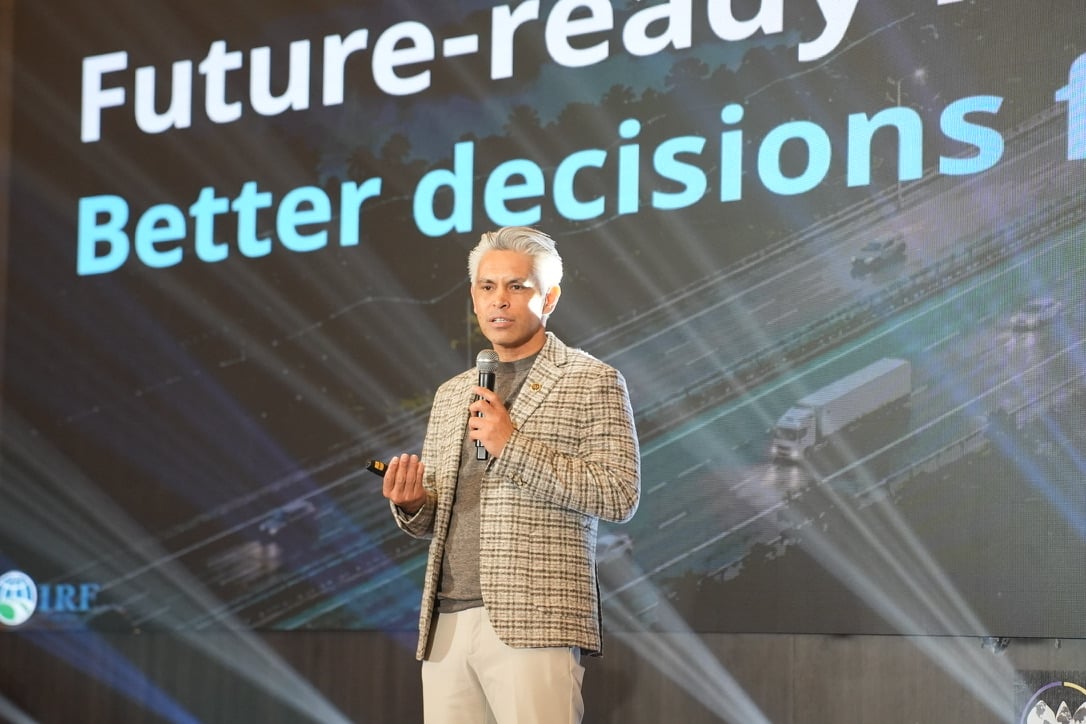 Glenn Brouwer, Keynote Speaker at IRF Global Asia-Pacific Regional Congress.
Learning from the next step
Now return to that road section after the engineering visit. What did the closer inspection establish? Did it support the initial concern, reveal a different explanation or show that continued monitoring was appropriate?
Keeping that result alongside the reason for bringing the visit forward gives the team something concrete to learn from. It can examine whether its criteria for escalation were sensible and what information would have helped. A finding that changes the team's interpretation can be valuable learning.
Two forms of learning are happening here. People become more capable of working with AI: they understand the task it supports, recognise uncertainty and know when further expertise is needed. The organisation learns by examining the relationship between its earlier judgement and what was discovered next.
Repeated inspections can add evidence of how pavement condition changes over time. Preserving the reasoning behind decisions makes that history more useful to the next person responsible for the road.
This does not mean that every inspection correction automatically retrains the AI. Improving a model is a separate development and evaluation process. An organisation can improve its working methods through this feedback .while using the same model.
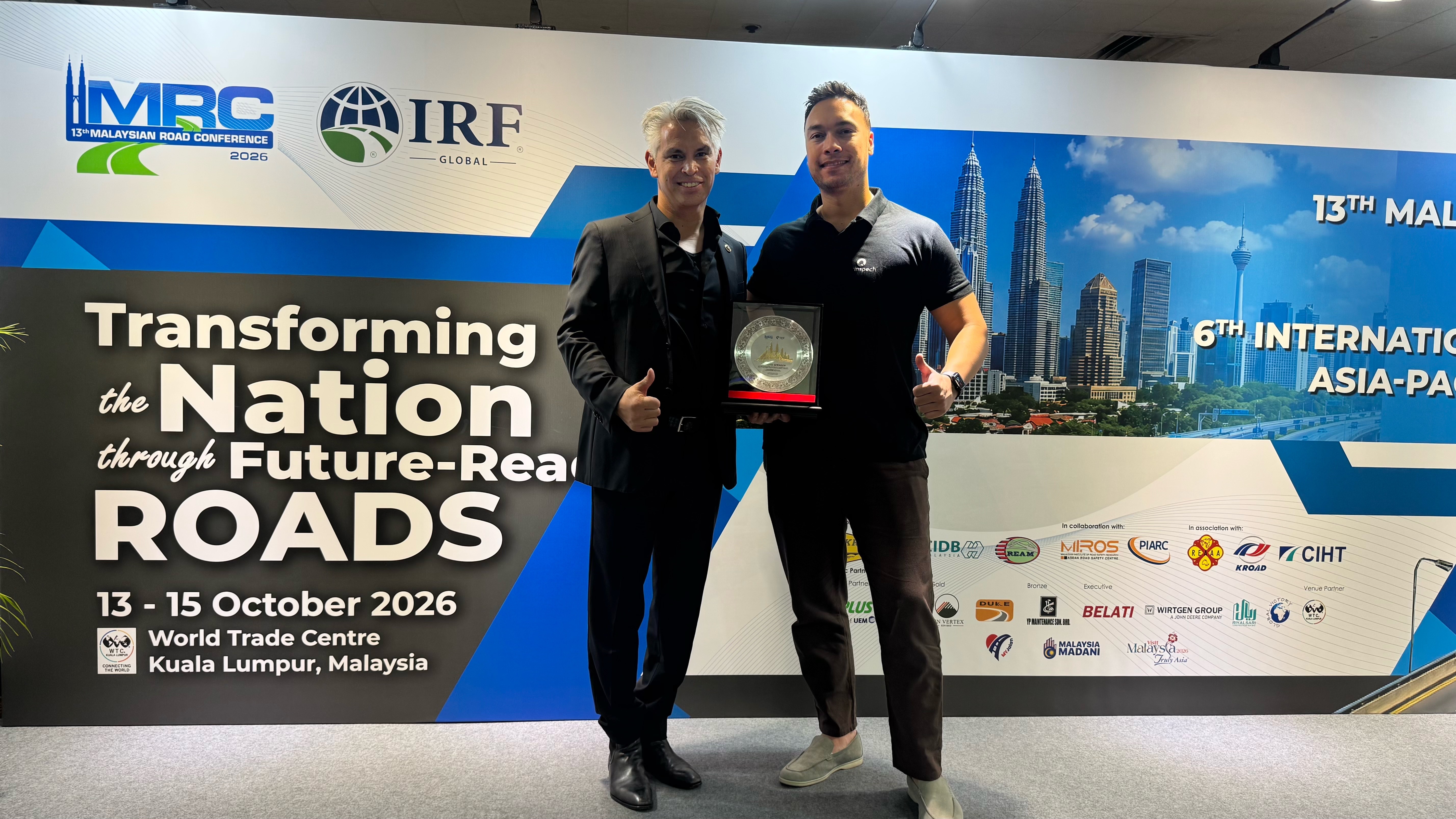
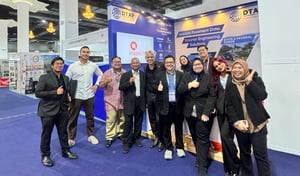
Glenn Brouwer and Saleh Rabbaniy at the Malaysian Road Conference.
A practical leadership challenge
For me, this is where the idea of a road organisation that learns becomes tangible. The technology contributes to an observation. Professionals establish what it means for a particular decision. The organisation acts and returns to examine the result.
My invitation following Kuala Lumpur is to choose one recurring decision in your own organisation and make that connection explicit.
Agree on what evidence you need, who judges whether it is sufficient, who acts and how you will check the result. Try it within an existing operational review, compare the experience with your current approach and use what you learn to decide how to proceed.
That is a practical place to begin turning AI potential into decisions people can rely on.